
anytongs shark tank

Anytongs Shark Tank Update: Where the Brand Stands Now

Tog Samphel walked off the Shark Tank stage with a handshake deal from Daymond John. Whether that deal ever legally closed is another story — and honestly, the conflicting answers you’ll find online say a lot about how post-show business actually works.

This article covers the pitch, the deal controversy, where Anytongs stands today, what real customers think of the product, and what founders can learn from the whole experience.

What Anytongs Is and How the Pitch Went

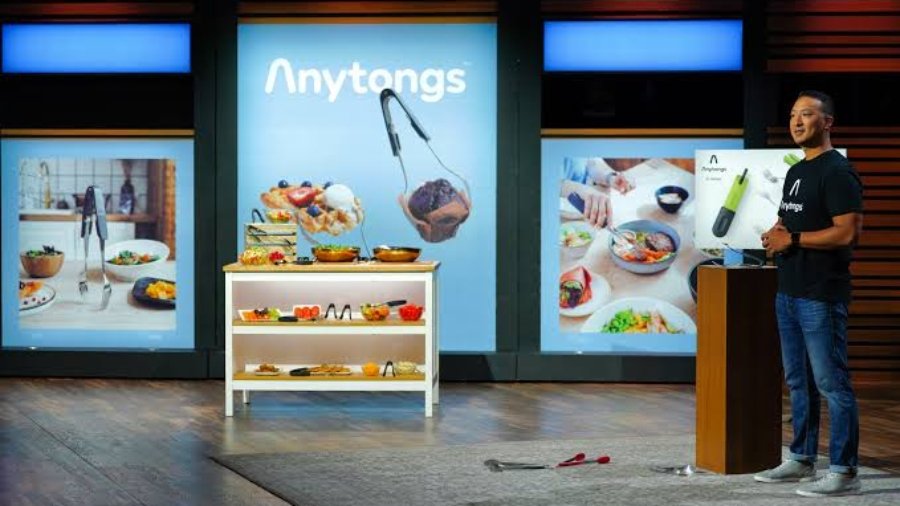
Anytongs is a plastic clip device that connects two standard eating utensils — forks, spoons — and turns them into functional kitchen tongs. The pitch is simple: instead of buying dedicated tongs for every cooking task, you clip this device onto utensils you already own.

Tog Samphel appeared on Season 14, Episode 13 of Shark Tank, asking for $150,000 in exchange for 20% equity. He leaned into three main selling points: space-saving, hygiene, and versatility. The idea being that one small plastic clip replaces the need for multiple specialized tools.

The Sharks had mixed reactions. Some questioned whether the market was large enough. Others weren’t convinced consumers needed this when standard tongs already work fine and cost very little.

Daymond John made an offer: $150,000 for 49% equity — more than double the equity Tog had proposed. Tog accepted on air, and left the stage with what looked like a done deal.

The Daymond John Deal — Closed, Collapsed, or Still Unclear

Here’s where things get complicated. Post-show deals on Shark Tank go through due diligence after filming. What happens on camera is not a binding contract. A lot can change between the handshake and the paperwork.

On the question of whether this deal actually closed, sources don’t agree.

SharkTankRecap and Tasting Table both report the deal with Daymond never materialized after filming. No detailed reason was made public. Tasting Table frames it as a disappointing post-show outcome for Tog.

Food Republic reports the opposite — that Tog and Daymond did close the deal, with John helping finance inventory and collaborating on a second version of the product designed to work with more utensil shapes and sizes.

No joint public statement from Tog or Daymond has been widely circulated to settle the question. Both accounts remain out there, unresolved.

The practical takeaway for any founder watching: an on-air handshake is a starting point, not a finish line. You should always prepare for the deal to change — or not close at all — after the cameras stop rolling.

Where Anytongs Is Today as a Business

Despite the deal uncertainty, Anytongs is still operating. As of 2025–2026, the product is available through the official Anytongs website and on Amazon.

Pricing is straightforward. A single unit runs around $12.99. A two-pack is around $19.99. Larger bundles scale up from there, with six and eight-unit packs available, and periodic discounts of up to 50% off.

Distribution is direct-to-consumer only. There’s no confirmed presence in major brick-and-mortar retail chains. The brand is leaning entirely on its website and Amazon to drive sales.

When the episode first aired, Anytongs experienced a spike in orders — a well-documented pattern for Shark Tank brands. The show’s audience is large, and the immediate exposure typically causes a short burst of traffic and purchases. SharkTankCompanies and Tasting Table both note this sell-out period happened for Anytongs, and that manufacturing processes were reportedly upgraded afterward to handle demand and improve shipping times.

There was also work reportedly done on a “version 2” concept — one that could hold more types of utensils including odd-shaped cutlery. However, as of late 2025, only the original version is available for purchase. No updated design has made it to market.

Social media activity tells its own story. Anytongs has accounts on Instagram, Facebook, and TikTok, but posting has tapered off significantly. According to Food Republic, the last Facebook post was in April 2024, the last TikTok in June 2024, and X updates stopped in 2023. Tasting Table notes the Instagram and Facebook accounts each have under 1,000 followers. That’s a modest footprint for a brand that had national TV exposure.

What Customers Actually Think of the Product

Anytongs has a 3.5 out of 5 average rating on Amazon, with fewer than 200 reviews as of 2024–2025. That’s a decent but not strong score, and the low review count points to modest sales volume rather than a product that’s moving at scale.

The most common complaints center on fit. Anytongs is designed to work with many utensil types, but that generality creates a real tension: the same clip that’s supposed to work with everything doesn’t always grip any particular utensil tightly enough. Customers report utensils slipping, not staying secure during use, or not fitting their specific silverware sizes at all.

This is a common design problem for universal products. When you build something to work with everything, you risk it not working perfectly with anything.

Positive reviews tend to focus on niche use cases — camping trips, small kitchens, studio apartments, or situations where someone just doesn’t want to own multiple kitchen tools. In those contexts, Anytongs genuinely solves a problem. The issue is that those use cases represent a narrow segment of buyers, not a mass market.

What Tog Samphel Is Doing Now

Tog is still the public face of Anytongs, appearing in social media content and promotional material for the brand. He’s a product designer by background, and the pitch reflected that — focused on practical problem-solving rather than flashy marketing.

One recap source reports that Tog has also taken a position with Walmart Data Ventures, suggesting he’s diversified his career while keeping Anytongs running in parallel. This isn’t unusual for founders of small consumer product businesses — especially ones that haven’t yet reached the revenue level to support a full-time team.

The Honest Business Picture

Food Republic put it plainly: Anytongs is still in business, but with a “faint pulse” as of October 2025. That’s a fair description based on the available evidence.

The brand exists. The product is for sale. But neither explosive growth nor a major retail breakout has happened. Social engagement is low. Review volume is limited. The second version hasn’t shipped. And the deal status with a high-profile investor remains publicly unresolved.

That’s not necessarily a failure — plenty of small product businesses operate at a modest scale for years without becoming household names. But it does suggest Anytongs hasn’t yet found the distribution or marketing lever that would push it into a new growth phase.

For a deeper look at how businesses navigate these kinds of post-launch plateaus, Daily Business Zone covers real business cases and practical growth strategies worth exploring.

Key Lessons From the Anytongs Story

Whether you’re a founder, a product designer, or just someone studying how consumer brands grow (or don’t), the Anytongs case offers a few honest takeaways.

  • TV exposure creates a spike, not a business. The Shark Tank effect is real but temporary. Fulfillment, manufacturing, and repeat purchase rates matter far more over time than a single episode’s traffic surge.
  • An on-air deal is not a closed deal. Due diligence can change the terms or kill the agreement entirely. Founders should prepare for both outcomes and not make financial or operational decisions based on a handshake that hasn’t gone through legal review.
  • Universal products face a universal design problem. A product built to work with everything often fits nothing perfectly. If fit and reliability are core to your product’s function, you need to test across the full range of use cases before launch — not after the reviews come in.
  • Social media silence signals something. When a brand’s posting activity stops, it’s usually a sign of limited resources, limited traction, or both. Investors and wholesale buyers notice this. So do consumers.
  • Niche appeal is not the same as mass market demand. Anytongs clearly works for specific users in specific situations. The question is whether that segment is large enough to support a growing business — and the current evidence suggests it may not be.

Can You Still Buy Anytongs?

Yes. Anytongs is available through its official website at anytongs.com and on Amazon. Single units are around $12.99, two-packs around $19.99, and larger bundle packs are available with regular discounts. The brand also offers a 14-day return policy.

If you’re in the market for a compact, multi-use kitchen tool and already own good-quality flatware, it’s worth trying — especially at a discounted bundle price. Just go in knowing the reviews on fit are mixed, and your experience may depend on the specific utensils you use.

As for the broader business story, Anytongs is a useful case study in what happens after the spotlight fades. The product is real, the founder is still in it, and the brand is still standing. Whether it grows from here depends on execution, distribution, and — like most small businesses — a bit of luck with timing.

Read Also:

windcatcher shark tank

Windcatcher Shark Tank Update: What Happened After

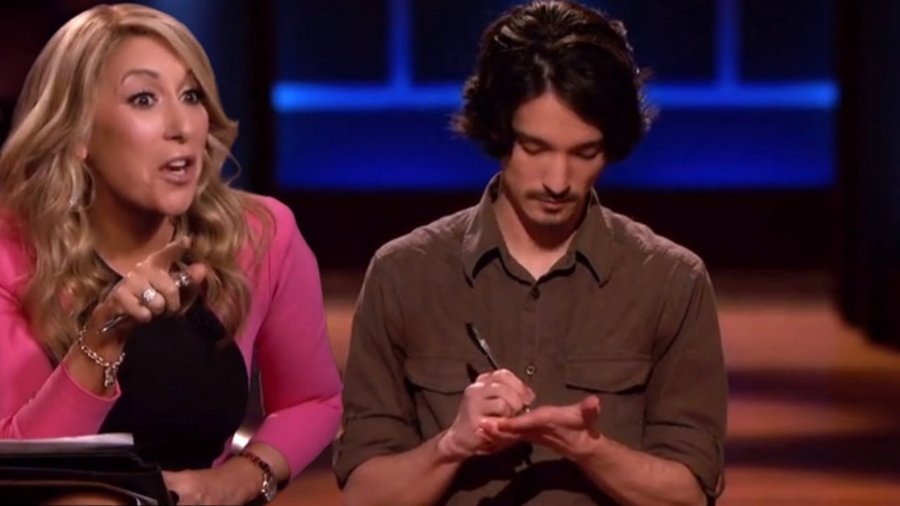
Windcatcher looked like it had everything going for it. A clever product, a live demo that genuinely impressed the Sharks, and a deal with Lori Greiner. By most measures, it was a Shark Tank success story in the making.

It didn’t turn out that way. The deal fell apart, a legal battle drained time and resources, and the founder was diagnosed with terminal cancer in his mid-30s. The company is now out of business.

Here’s a clear look at what Windcatcher was, what happened on the show, why things went wrong, and what other product entrepreneurs can take from this story.

What Windcatcher Was and How the Technology Worked

Ryan Frayne founded Windcatcher with a simple goal: make inflating an air mattress fast and easy — no pump, no electricity, no exhausting yourself blowing into a tiny valve.

The flagship product was the Windcatcher AirPad, a portable, packable air mattress priced at around $99.95. The real innovation wasn’t the mattress itself — it was the valve.

The valve used a fluid dynamics principle called entrainment. When a fast-moving stream of air passes through the valve, it pulls surrounding air along with it. This means each breath you exhale into the valve draws in far more air than your lungs actually produce.

You don’t even press your mouth against it. You hold your face a few inches away, exhale, and the valve does the rest. The mattress inflates in a handful of breaths.

A simple way to picture it: think about how blowing across the top of an open bottle creates a sound by pulling air upward, or how a chimney draft draws air from a room. A fast-moving stream of air creates a low-pressure zone that sucks in more air around it. The physics multiplies your effort.

During the Shark Tank pitch, Ryan claimed the valve inflated the AirPad roughly ten times faster than a conventional valve. For campers arriving at a site after dark, or parents at a beach without a pump, that’s a genuinely useful difference.

The Shark Tank Pitch and Lori Greiner’s Offer

Windcatcher appeared on Shark Tank Season 7. Ryan demonstrated the AirPad live on stage, which is exactly the kind of visual that works well on television — a mattress going from flat to inflated in seconds, with no pump in sight.

He came in asking for $200,000 in funding. Lori Greiner made the deal: $200,000 for 5% equity, plus a line of credit.

Lori’s interest wasn’t limited to the AirPad as a single product. She saw the valve technology itself as licensable across a wide range of outdoor and inflatable products. If that valve could be placed into sleeping pads, pool floats, camping furniture, and other gear made by established brands, the revenue potential was much larger than selling one SKU.

The appearance generated real attention. Media coverage picked up, and the product got in front of a large audience overnight. On the surface, it looked like a strong start.

Why the Deal with Lori Never Closed

This is where the story takes its first major turn. The on-air agreement did not survive due diligence. It was never finalized after filming.

The reason, according to post-show reporting, was a legal dispute. Cascade Designs, a larger outdoor gear company, raised claims over similar inflation technology and pursued litigation against Windcatcher.

From an investor’s standpoint, this kind of dispute changes the math completely. Lori’s interest was largely in licensing the valve. But if the core technology is legally contested, licensing deals become risky. Any company that licenses a technology caught up in IP litigation is taking on legal exposure along with the business opportunity. Most won’t do it.

This isn’t unusual in hardware startups. A contested patent can stop investment conversations faster than weak sales numbers. Investors need clean IP before they’ll commit to deals built around licensing.

It’s important to note that sources report a legal challenge and litigation — not a definitive ruling that Cascade Designs owned the technology. But the dispute alone was enough to create serious obstacles for Windcatcher.

Ryan reportedly spent significant time and resources dealing with the legal fight instead of growing the business. That’s a common and costly trap for founders who built something real but didn’t anticipate IP challenges from larger, better-funded competitors.

Ryan Frayne’s Illness and Its Effect on the Company

About two years after the Shark Tank appearance, Ryan Frayne was diagnosed with terminal pancreatic and liver cancer. He was in his mid-30s.

At that point, Windcatcher had reached roughly $4 million in revenue — a meaningful number for a product-stage startup still fighting a legal battle and operating without its Shark Tank deal. The company had clearly found real customers.

But Ryan was the center of the business. The technology, the relationships, the direction — it was all concentrated in one person. When his health deteriorated, the company lost its engine.

Ryan Frayne died in June 2018 at age 34.

This is one of the most underappreciated risks in early-stage startups. Investors, advisors, and founders spend a lot of time thinking about market risk, competition, and cash flow. Far fewer think about what happens if the founder gets sick. When a company’s institutional knowledge, external credibility, and internal leadership all live in one person, a health crisis can be as damaging as any business failure.

After Ryan’s death, a partner and friend attempted to revive Windcatcher through an Indiegogo crowdfunding campaign in 2019. It didn’t gain enough traction to sustain the business. Social media updates stopped around mid-2019. By early 2022, the website went dark.

Multiple sources that track Shark Tank companies confirm: Windcatcher is no longer in business.

What Product Entrepreneurs Can Learn From This

Windcatcher is frequently referenced in Shark Tank communities and business blogs, and for good reason. It’s a clean example of how multiple risks — legal, structural, and personal — can converge and bring down a company that had real traction.

A few practical takeaways:

  • IP issues can kill investor deals fast. If your business model depends on licensing a technology, that technology needs clean, defensible IP before you start pitching. Legal disputes over core innovations don’t just slow things down — they can make your product unlicensable.
  • Litigation is expensive in time, not just money. Ryan spent energy fighting Cascade Designs instead of building the business. For a small startup, a drawn-out legal battle against a larger company is a serious threat even if you’re in the right.
  • Founder concentration is a real risk. Most early-stage companies are founder-dependent, and that’s often fine in the short term. But it’s worth thinking about documentation, key relationships, and whether anyone else in the company could keep things running in a crisis. Windcatcher had no clear answer to that question when it needed one most.
  • A Shark Tank deal isn’t done until it’s done. The on-air handshake is the start of a process, not the end. Due diligence routinely changes or kills deals that looked certain on television.
  • Licensing vs. selling is a strategic choice with different risk profiles. Lori saw the valve as a licensing play. That can be a smart path, but it requires airtight IP and willing partners. Selling direct requires different things. Windcatcher was caught between both without the legal foundation to execute either cleanly.

For more practical coverage of startup outcomes, business strategy, and entrepreneur stories, Daily Business Zone covers these topics in a straightforward, no-fluff format.

Where Things Stand Today

There is no active version of Windcatcher. The website has been down since around early 2022. The social media accounts have been inactive for years. No new ownership or product relaunch has emerged.

The AirPad is no longer available for purchase through any official channel. Whatever units exist are secondhand.

What remains is the story — a product that genuinely worked, a founder who built something real under difficult circumstances, and a set of business problems that proved too much to overcome together.

Ryan Frayne built a product people actually wanted to buy. He made it to $4 million in revenue while fighting a legal battle and dealing with an illness that would have stopped most people entirely. That’s worth acknowledging alongside the business lessons.

The company didn’t fail because the product was bad. It failed because the legal foundation was unstable, the investor deal couldn’t close, and the one person holding everything together ran out of time. That combination is hard to survive at any size.

Read Also:

vabroom

Vabroom Shark Tank Update: Sales, Deal & What’s Next

Most household products never make it onto Shark Tank. Fewer still walk away with a deal from Kevin O’Leary and go on to report $10 million in lifetime sales. VaBroom did both.

This article covers the full picture: what VaBroom is, how the pitch went down, what the O’Leary deal actually means, and where the business stands today. If you’re an entrepreneur trying to draw real lessons from a consumer hardware Shark Tank story, this one is worth studying.

What VaBroom Is and the Problem It Was Built to Solve

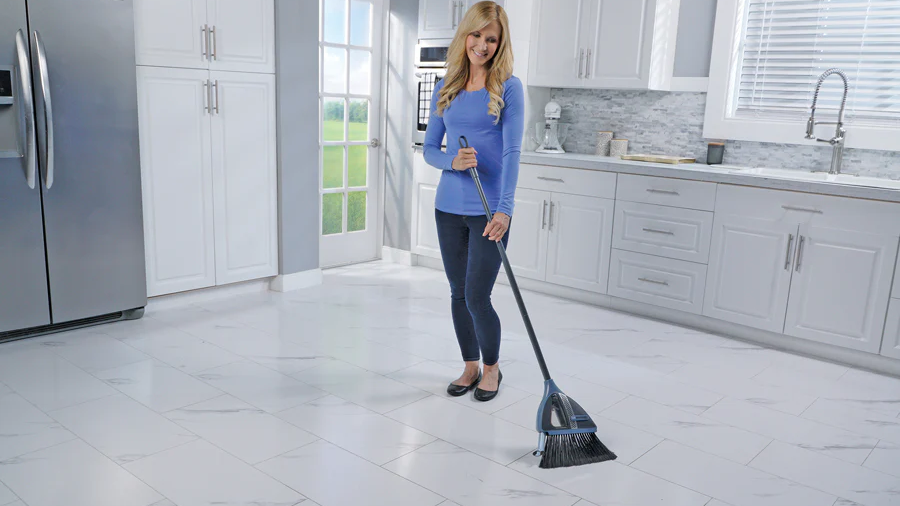
VaBroom is a cordless broom with a vacuum built into the base. You sweep a mess into a pile, tilt the broom head toward the debris, and the suction pulls it into a small onboard canister. No dustpan needed.

The product targets quick cleanups on hard floors — crumbs after breakfast, pet hair near a food bowl, cat litter scattered around a tray. It’s not designed to replace your vacuum. The founders were clear about that positioning: VaBroom is a better broom, not a cleaning appliance.

That distinction matters. It defines the market and sets realistic expectations for buyers. The product is built for people who hate bending down to use a dustpan — especially older adults, people with back issues, and parents dealing with small messes several times a day.

The Shark Tank Pitch — Numbers, Valuation, and What the Sharks Heard

VaBroom appeared on Season 13, Episode 9 of ABC’s Shark Tank. The founders, Trevor Lambert and John Vadnais, walked in asking for $350,000 in exchange for 2.5% equity.

That ask implied a pre-money valuation of $14 million. At the time of filming, the company had done $3.1 million in sales over the prior 12 months. Distribution included Bed Bath & Beyond and direct-to-consumer online sales.

Run the math: $3.1 million in trailing revenue against a $14 million valuation puts the revenue multiple at roughly 4.5x. That’s a bold ask for a hardware product, where margins are typically tighter than software and competition from established brands is real.

The pitch worked because it was grounded in a frustration nearly everyone has felt. There was no complex technology to explain, no jargon, no abstract market sizing slide. The problem — chasing debris with a dustpan, bending down repeatedly — was immediately relatable.

Trevor Lambert is the CEO of Enhance Innovations, a product design and licensing firm. VaBroom came out of that firm. John Vadnais leads sales operations. Together, they framed VaBroom not just as a product, but as a scalable consumer brand with retail traction already in place.

Kevin O’Leary’s Deal — What Was Agreed and What Is Confirmed

On air, Kevin O’Leary agreed to invest $350,000 in VaBroom. Multiple sources, including a social media recap and clips from the show, confirm that VaBroom “secured a $350,000 investment from Kevin O’Leary on Shark Tank in 2022.”

Here’s something worth understanding if you follow Shark Tank closely: deals made on television are not always finalized. After filming, both sides go through due diligence. Terms can change. Some deals fall apart entirely. At least one recap site noted that it was initially “unclear whether the deal closed” — which is a common situation with on-air agreements.

However, more recent coverage uses definitive language confirming a deal was secured. VaBroom actively markets its Shark Tank appearance and its association with O’Leary on both its official website and its Amazon listing. That kind of public branding would be unusual if no deal had materialized.

The equity percentage agreed on air was 2.5%. No credible source documents any post-show restructuring of those terms, so it’s best to take the on-air deal at face value without speculating further.

VaBroom’s Sales and Business Status After the Show

This is what most people want to know: did Shark Tank actually move the needle?

According to a late 2023 update from SharkTankBlog, VaBroom is still in business and described as “doing well.” The company’s annual revenue is reported at under $5 million, with $10 million in lifetime sales as of that update. A separate recap source estimates annual revenue at approximately $5 million.

A YouTube short titled “From Shark Tank to $10 Million” summarizes the post-show growth, which aligns with the lifetime sales figure cited by blog sources.

To be clear about what these numbers mean: this is steady, mid-seven-figure performance. It’s not a unicorn outcome. VaBroom didn’t become a household name overnight or disrupt the cleaning industry. But it built a real business with consistent revenue — which is a realistic and honest outcome for most consumer hardware brands that get Shark Tank exposure.

Where the Product Is Sold Today

VaBroom’s official website remains active, marketing the product as “The Original 2-In-1 Sweeper with Built-In Vacuum.” The site references its Shark Tank Season 13 appearance and sells direct to consumers.

The product is also available on Amazon, where the listing leans into the Shark Tank branding — calling it the “VaBroom Shark Tank 2-in-1 Cordless Electric Broom with Built-In Vacuum.” The Amazon description highlights its high-RPM motor and positions it for crumbs, pet hair, cat litter, and fine dust on hard floors.

The original retail partnership with Bed Bath & Beyond is worth noting in context: Bed Bath & Beyond filed for bankruptcy in 2023 and closed its stores. That was a retail channel that no longer exists, which underscores why DTC and Amazon presence matters for consumer product brands.

What Customers Actually Say

VaBroom’s own website features curated testimonials with positive language — claims of “exceptional suction” and solid battery life. That’s standard product marketing.

The more balanced picture comes from informal online discussions. Reddit threads in the Shark Tank community include complaints about weak suction and the product being awkward to maneuver when trying to engage the vacuum function. Some users felt the product didn’t deliver on the marketing promise.

This is a common gap in consumer hardware: the concept is easy to demonstrate in a pitch or a short video, but real-world performance across different floor types, mess sizes, and user habits is harder to control. VaBroom’s mixed reviews suggest it works well enough for the right use case but falls short for buyers who expect more power.

If you’re evaluating this as a business case, it’s a good reminder that strong marketing and Shark Tank exposure can drive initial sales, but long-term retention depends on whether the product consistently does what customers expect.

What Entrepreneurs Can Take From This

VaBroom’s story has a few practical takeaways that go beyond “get on Shark Tank.”

Valuation has to be defensible

Asking for a 4.5x revenue multiple on a hardware product is aggressive. It worked here partly because the founders had retail distribution in place and a clear product story. Without those, the Sharks would have pushed back harder.

Positioning matters as much as the product

Calling VaBroom “a better broom” instead of “a portable vacuum” was a deliberate choice. It set the right expectations and made the product easier to compare favorably against a simple, low-tech alternative — a regular broom and dustpan.

Post-show results are rarely explosive

The “Shark Tank bump” is real, but it doesn’t last forever. VaBroom reached $10 million in lifetime sales, which is a solid outcome. But it took years, not months. Businesses that plan for sustained effort after the episode airs tend to do better than those banking on one spike in traffic.

Mixed reviews are a product problem, not just a PR problem

If your product gets consistent criticism for a core function — in this case, suction strength — that’s a signal worth acting on. Marketing can get customers in the door. It can’t keep them coming back if the product disappoints.

For anyone tracking consumer hardware startups or studying how design firms bring products to market, VaBroom is a useful case. Trevor Lambert used Enhance Innovations as the vehicle to develop the concept, then used Shark Tank to add credibility, capital, and visibility. That’s a repeatable model — but it requires the product to hold up.

For more business breakdowns like this one, visit Daily Business Zone.

The Bottom Line

VaBroom is still in business. The Kevin O’Leary deal appears to have gone through. The company has reported around $10 million in lifetime sales and annual revenue estimated near $5 million as of late 2023.

It’s not a blockbuster outcome, but it’s a real one. A product that solved a specific, relatable problem, pitched clearly, got a credible investor, and built a sustainable mid-scale business. For most consumer hardware founders, that’s a better result than most ever see.

Read Also:

Eyewris Shark Tank Update

Eyewris Shark Tank Update: Did the 5-Shark Deal Close?

Eyewris made Shark Tank history in Season 14 by getting all five Sharks to invest at once. But what most viewers never see is what happens after the cameras stop rolling. The on-air handshake is just the beginning — and in Eyewris’ case, the story after the pitch is worth paying attention to.

This article covers what Eyewris actually sells, who founded the company, what happened during the pitch, whether that historic five-Shark deal ever closed, and how the business is doing today.

What Eyewris Actually Sells and the Problem It Solves

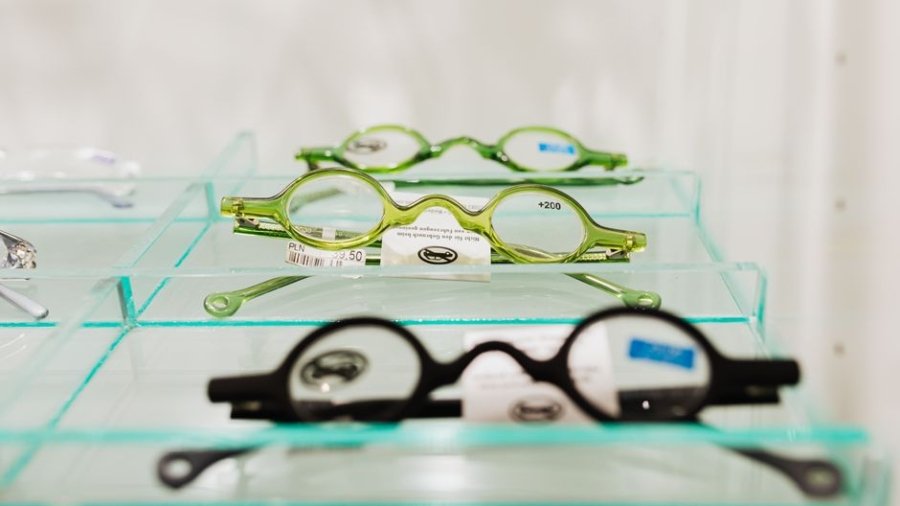
Eyewris makes foldable reading glasses that wrap around your wrist like a bracelet when you’re not using them. When you need to read something, you unfold them off your wrist and put them on in seconds.

The problem they’re solving is simple and genuinely annoying: people constantly misplace their reading glasses. You need them at the restaurant, at the pharmacy, at your desk — and they’re never where you left them. Eyewris keeps them on your body at all times.

The product includes features like scratch resistance, smudge resistance, and UV protection. It’s built to last, which matters because the price point is not cheap. Eyewris glasses run between $89 and $110, including shipping — compared to $10–$20 for a multipack at the pharmacy.

The pitch isn’t cost savings. It’s durability, convenience, and design. Think of it like choosing a Yeti cup over a generic gas station mug. Same basic function, very different in quality and experience.

The Founders Behind Eyewris

Eyewris was founded by Mark Singer and his son Kenzo Singer. Mark is the inventor and designer behind the product. His observation was straightforward: people lose their reading glasses constantly, and there had to be a better way to keep them accessible.

That problem-first thinking led to the wrist-worn design. The father-son dynamic was a natural part of their brand story and added to their appeal on Shark Tank. But the product concept itself — not the family angle — is what drove investor interest.

What Happened During the Shark Tank Pitch

Eyewris appeared on Season 14, Episode 22 — the season finale. Mark and Kenzo walked in asking for $25,000 in exchange for 5% equity, which put their implied valuation at $500,000.

The product demonstration was simple and effective. The glasses snap onto the wrist, then unfold into full reading glasses in a matter of seconds. Practical, fast, and visually compelling for television.

All five Sharks were interested. Their initial offer was $125,000 for 25% equity — that’s 5% each. The founders pushed back, and the two sides landed on an on-air agreement of $125,000 for 20% equity, or 4% per Shark. That implied valuation climbed to $625,000.

A five-Shark deal is exceptionally rare on the show. It generated significant attention and gave Eyewris immediate national credibility. The episode became one of the more talked-about pitches of the season.

That said, what viewers see on air is a handshake agreement — not a signed investment. That distinction matters, and it’s where things get more complicated.

Did the Five-Shark Deal Actually Close?

This is the question most people search for, and the honest answer is: probably not.

Shark Tank Blog, which tracks post-show deal outcomes closely, states explicitly that there is “no evidence of the deal with the 5 Sharks closing at this time.” Women.com drew a similar conclusion after reviewing Eyewris’ website and social media activity, suggesting the deal likely never reached a formal closing.

Legit.ng also reported that it remains unclear whether the on-air agreement was ever finalized. None of the three sources found any public confirmation — no press release, no Shark announcement, no founder disclosure — that the equity transaction was completed.

Eyewris’ own website and Instagram still prominently feature the “Five Shark Deal” as a marketing and credibility point. That’s smart business. But featuring it as social proof is different from confirming the investment closed.

This isn’t unusual. On-air agreements on Shark Tank are not binding contracts. After the cameras stop, both sides go through due diligence. Terms get renegotiated. Sometimes deals collapse entirely. It happens regularly across the show’s history, and it doesn’t mean the business failed — it just means what you saw on TV isn’t necessarily what happened in the boardroom.

For Eyewris, the more relevant question isn’t whether the deal closed. It’s whether the business kept moving forward anyway.

How the Business Performed After the Episode

By that measure, Eyewris did well. According to Shark Tank Blog, monthly revenue grew from roughly $28,000 to $77,000 after the episode aired — nearly three times the pre-show number. That’s a direct result of the national exposure the show provides, sometimes called the “Shark Tank effect.”

Even without confirmed investment, the episode acted like a free national advertisement backed by five credible investors. Website traffic spiked, brand awareness jumped, and sales followed.

Shark Tank Blog estimates the company’s valuation grew to around $1.6 million after the show, with a current net worth estimated above $1 million. Legit.ng cites similar numbers. These are secondary-source estimates — not audited financials or official disclosures — so treat them as directional rather than precise. But the trend is clear: the business grew meaningfully after the episode aired.

Where Eyewris Stands Today

Eyewris is still operating. The company sells directly through its official website, and there’s no indication of major retail distribution partnerships. It’s a focused direct-to-consumer business built around a single core product.

Pricing has shifted a bit since the episode. The original price was $110 including shipping. After Shark Tank, the company ran a “Shark Tank Special” promotion that dropped the price to $65 for a period, then settled at $89 for certain styles. Some products still show regular pricing at $110 alongside sale pricing at $89.

The product line has expanded in terms of colors and styles — there are men’s and women’s options in various colors, including deep green and tortoise & gold — but the core product hasn’t changed. No major rebranding, no new product categories. The company has stayed focused.

Customer reviews on the official site are largely positive. External feedback is more mixed. One Reddit user described the glasses as well-made and good quality, but noted they don’t sit comfortably on a smaller wrist. That’s worth knowing if you’re considering a purchase — this is essentially a one-size-fits-most product, and fit will vary.

What Entrepreneurs Can Take Away From This

Eyewris is a useful case study for founders and small business owners, for a few reasons.

First, the Shark Tank effect is real even when deals don’t close. The company nearly tripled its monthly revenue after the episode — without confirmed investment from any Shark. The exposure alone delivered results. That’s worth understanding if you’re thinking about applying to the show or any similar platform.

Second, on-air deals are not closed deals. This is a pattern across Shark Tank’s history. If you’re pitching investors — on TV or otherwise — an expression of interest and a signed term sheet are two very different things. Keep moving your business forward while due diligence runs its course.

Third, staying focused pays off. Eyewris didn’t chase a dozen new products after getting national attention. They expanded colors, adjusted pricing, and kept selling the same product that got them on the show. That discipline is underrated.

For more business stories and practical coverage of companies navigating growth, deals, and strategy, visit Daily Business Zone.

The Bottom Line

Eyewris entered Shark Tank asking for $25,000 and walked out with an on-air agreement from all five Sharks for $125,000. Whether that investment ever formally closed is, by most accounts, doubtful — but the business kept growing regardless.

Monthly revenue nearly tripled. The brand built real credibility from the exposure. The company is still selling its wrist-worn reading glasses directly to consumers, with a consistent product and a clear value proposition.

The five-Shark deal made for great television. The business performance after the fact made it a genuine success story — even if it played out differently than what viewers expected.

Read Also:

Browndages Shark Tank Update

Browndages Shark Tank Update: The Deal and What Followed

A small family business built around a simple but overlooked problem walked into Shark Tank asking for $75,000. They walked out with three Sharks and a deal worth nearly twice that amount. That business was Browndages—and what happened next is worth paying attention to.

This article covers who founded Browndages and why, how their pitch played out, what the deal actually meant, and where the company stands today.

The Problem Browndages Was Built to Solve

Founders Intisar Bashir and Rashid Mahdi noticed something most people with lighter skin tones never think about: standard “flesh-colored” bandages were designed for one skin tone, and it wasn’t theirs.

They wanted bandages that actually matched their skin—and their children’s skin. So they built them. Browndages offers adhesive bandages in multiple brown and darker skin tones, positioned around something real: representation in everyday health products.

This wasn’t just a novelty product. It filled a gap that millions of people had simply accepted as normal. Before appearing on Shark Tank, the business was direct-to-consumer and generating roughly $110,000 per month in online sales. That’s not a side project—that’s a real business with a real customer base.

How the Shark Tank Pitch Went

Browndages appeared on Season 13, Episode 20 of Shark Tank. The founders came in asking for $75,000 for 7.5% equity, implying a $1 million valuation.

Their pitch focused on what the business had already proven: consistent direct-to-consumer sales, strong word-of-mouth growth, and a clear underserved market. They weren’t pitching a concept—they were pitching a working business.

The response from the Sharks was competitive. Robert Herjavec passed. But Mark Cuban, Daymond John, and Lori Greiner all wanted in. That kind of multi-Shark interest doesn’t happen often, and it drove a real negotiation rather than a simple yes or no.

The final deal: $100,000 for 25% equity, plus a $75,000 line of credit. The founders accepted, bringing on three partners instead of one.

What the Deal Actually Meant for the Founders

On the surface, the founders gave up a lot more equity than they planned. They came in offering 7.5% and left giving up 25%. That’s a significant difference in ownership.

But the deal had real substance behind it. The $75,000 line of credit added working capital beyond the equity investment—useful for inventory and scaling operations. And three experienced partners bring more than money.

  • Mark Cuban has strong direct-to-consumer and tech-enabled retail experience.
  • Daymond John built a consumer brand from scratch and understands brand identity deeply.
  • Lori Greiner specializes in consumer goods and has a proven track record moving products into retail.

Together, those three cover almost every growth challenge a young consumer product company faces. That’s not nothing.

This is a common Shark Tank dynamic: founders accept higher dilution to get more resources and strategic access. Whether it’s the right move depends on what the business actually needs. For Browndages, which was online-only and ready to scale, having partners with retail and branding experience made practical sense.

The lesson for other entrepreneurs is straightforward. Don’t evaluate a deal purely on the equity percentage. Evaluate what you’re getting in return and whether those resources can actually move the needle for your specific business.

Sales and Growth After the Episode Aired

The episode’s impact was immediate. Browndages recorded over $130,000 in sales within six days of the episode airing. To put that in context, they were doing around $110,000 per month before the show. They nearly matched that in less than a week.

Media coverage followed quickly. Forbes, ABC News, and other outlets picked up the story, extending visibility well beyond the episode itself. That kind of earned media compounds the initial TV exposure.

By 2022, the company had an estimated valuation of around $500,000 and between 11 and 50 employees—a meaningful step up from a family-run side project.

The sales spike is a good example of the “Shark Tank effect,” but it also highlights something less discussed: you have to be ready for it. If your website crashes, your inventory runs out, or your fulfillment falls apart, that spike turns into a wave of refunds and bad reviews. Operational readiness before an episode airs matters just as much as the pitch itself.

Where Browndages Stands Now — Products, Distribution, and Competition

Browndages is still in business and active as of 2026. The company has grown well beyond its original product.

The current product line includes:

  • Skin-tone adhesive bandages in multiple brown shades
  • First-aid kits
  • Balms
  • Pajamas
  • Books featuring characters of color
  • Branded apparel and product bundles

This expansion makes sense strategically. A customer who buys bandages for their kids and connects with the brand’s mission is a reasonable target for pajamas, books, and first-aid kits built around the same idea. It deepens loyalty and increases the value of each customer relationship.

Distribution has expanded beyond the company’s website. Products are now sold through salons, beauty suppliers, and pharmacies nationwide—a shift from fully online to a mix of channels.

The Competition Question

One real challenge Browndages faces is that larger brands noticed the same gap. Band-Aid and others have since introduced their own multi-tone bandage lines. These brands have massive distribution, marketing budgets, and shelf space that Browndages simply can’t match on volume.

Some critics have pointed to this as a fundamental weakness in the business model—if a big brand can copy your product, what’s your edge?

It’s a fair question, but it’s also not a complete picture. Browndages isn’t just selling a product; it’s selling a brand identity built around family, representation, and authenticity. The expanded product line—books, pajamas, character imagery—reinforces that positioning in ways a legacy bandage brand can’t easily replicate.

Many niche businesses face this same situation: a large competitor enters the space and competes on price and distribution. The businesses that survive are usually the ones that have built something more than a product—a community, a story, or a reason for customers to seek them out specifically.

Browndages appears to be working toward that kind of positioning. Whether it’s enough long-term remains to be seen, but the company is clearly not standing still.

Key Takeaways for Entrepreneurs

Browndages offers a few practical lessons worth keeping in mind:

  1. A clear, underserved market beats a clever idea every time. The product wasn’t complicated. The insight—that no one was making bandages for darker skin tones—was the real asset.
  2. Equity trade-offs should be evaluated against what you’re gaining. Giving up 25% to get three experienced Shark partners and a line of credit is very different from giving up 25% for just a check.
  3. Operational readiness is as important as the pitch. The $130,000 sales spike only works if you can actually fulfill those orders without falling apart.
  4. A single-product business is vulnerable. Browndages expanded early and deliberately, which makes the brand harder to replace with a generic competitor.

For anyone tracking consumer product businesses or niche brand-building, Browndages is a useful case study. You can find more business coverage and analysis like this at Daily Business Zone.

Final Thoughts

Browndages started with a straightforward observation: standard bandages don’t work for everyone, and nobody was fixing that. The founders built a real business around it, landed a competitive deal with three Sharks, and came out of the show with strong momentum.

The post-show growth has been solid. The product line is broader, distribution is wider, and the company is still running. The road ahead isn’t without challenges—big competitors are real—but Browndages has laid the groundwork to be more than a one-product story.

That’s not a small thing for a family-owned business that started by solving a problem most people had simply stopped noticing.

Read Also:

Sunscreenr Shark Tank Update

Sunscreenr Shark Tank Update: The Rise and Fall

Sunscreenr looked like a genuinely useful product. A handheld UV camera that showed exactly where sunscreen was missing on skin — a real problem, a credible founder, and a deal struck with Kevin O’Leary on national television. Thousands of people backed it on Kickstarter and Indiegogo. Then the shipments never came.

This article covers the full story — the pitch, the deal that fell apart, the crowdfunding controversy, and what founders can take away from the collapse.

What Sunscreenr Actually Was and Why It Got Attention

Sunscreenr was a handheld UV imaging device. When you looked through the lens, areas with sunscreen appeared darker. Spots where sunscreen was missing or had worn off appeared lighter.

The use case was straightforward and easy to understand. A parent applies sunscreen to a child at the beach, then uses the device to check whether they missed the back of the neck or shoulders. A surfer checks after a few hours in the water to see where the sunscreen has worn off. The visual feedback made the problem visible in a way that guessing never could.

Founder Dave Cohen held a Ph.D. in biophysics and biochemistry, which gave the product scientific credibility. The underlying problem is real — missed sunscreen spots are a genuine cause of burns and are linked to increased skin cancer risk. On paper, this was a well-positioned product with a clear, health-focused purpose.

The Season 8 Shark Tank Pitch and Kevin O’Leary’s Deal

Cohen appeared on Shark Tank Season 8, Episode 6 in 2016. He asked for $800,000 in exchange for 10% equity, putting the company’s valuation at $8 million.

Several sharks pushed back on that number. The valuation raised eyebrows, and concerns came up about market size and the cost of manufacturing a specialized optical device at a consumer price point. These are reasonable questions for any hardware startup, and Sunscreenr didn’t have clean answers to all of them.

Kevin O’Leary ultimately made an offer: $800,000 for 33.3% equity — a much larger stake than Cohen had offered. Cohen accepted the deal on air. But as anyone familiar with Shark Tank knows, on-air deals are not final. They depend on due diligence, and a lot can change once lawyers and accountants get involved.

Why the O’Leary Deal Never Closed

The deal did not survive due diligence. No major external investment ever came through, and O’Leary did not end up as an investor in Sunscreenr.

This happens regularly with Shark Tank deals. The televised handshake is not a signed term sheet. After the cameras stop rolling, investors take a closer look at intellectual property, cost structures, manufacturing realities, and potential liabilities. Any one of those areas can cause a deal to collapse — and frequently does.

For Sunscreenr, losing that capital had serious consequences. The company had no institutional backing to fall back on. Instead, it turned to crowdfunding and pre-orders to fund production — a much riskier path for a hardware product that required specialized manufacturing.

The Shark Tank appearance created real demand. But demand without working capital to fulfill it is not an asset — it becomes a liability.

The Kickstarter and Indiegogo Campaigns — Delays, Silence, and Backlash

Sunscreenr ran campaigns on both Kickstarter and Indiegogo and attracted a significant number of backers. People paid in advance based on the promise that devices would ship once production was completed.

Production delays stretched on repeatedly. The final Kickstarter update was posted on June 25, 2018 — nearly two years after the show aired — with Cohen claiming that shipments would go out that week.

They didn’t. Or at least not to most backers.

After that June 2018 update, complaints kept coming in. Backers reported never receiving their units, getting no replies to emails, and being unable to get refunds. Some filed complaints with the Better Business Bureau. The comment sections on crowdfunding pages turned hostile.

It’s worth noting that a small number of Sunscreenr units did appear as resale listings on eBay, which suggests some limited production did occur. But widespread fulfillment clearly never happened. Many people who paid in advance were left with nothing.

No formal legal judgments or documented fraud findings exist in the public record. But the practical outcome for most backers was the same: they paid, they waited, and they got no product and no refund.

How and When Sunscreenr Shut Down

There was no formal announcement. The company simply went quiet and stopped existing in any functional sense.

The Sunscreenr Instagram account posted for the last time on March 23, 2019. The Twitter account had gone inactive even earlier, around 2017. The sunscreenr.com website eventually went offline and the domain was repurposed — it now redirects to a felting and wool craft site, which tells you everything you need to know about the company’s current status.

Cohen’s LinkedIn shows he was CEO and founder of Voxelight, the company through which Sunscreenr was commercialized, from October 2015 to September 2022. He has since moved into a corporate role as a Staff Life Sciences Technology Manager at Plexus Corp, a firm that provides engineering and manufacturing support to help companies bring products to market. He is reported to have eventually removed Sunscreenr from his LinkedIn profile entirely.

Co-founder Jon Meyer is currently reported to be Chief Technology Officer at CAPTRUST. Both founders have moved on to established organizations, and Sunscreenr as a business is effectively gone.

Why Sunscreenr Failed: The Real Breakdown

There wasn’t a single cause. Several problems compounded over time.

The investment fell through with no backup plan

Losing the O’Leary deal left Sunscreenr without the capital it needed to scale manufacturing. Relying on crowdfunding to fund a specialized optical hardware product was always going to be risky. When delays hit, there was no financial cushion.

Hardware is harder than it looks

Consumer hardware is one of the most difficult categories to execute in. Sunscreenr wasn’t a simple product — it required specialized UV optics, electronics, enclosures, and quality control. Each of those steps adds cost, time, and risk. Crowdfunding timelines rarely account for that honestly.

Communication broke down at the worst time

When delays happen, backers can often accept it — if they’re kept informed and treated with respect. Sunscreenr stopped communicating. By the time the final Kickstarter update went up in June 2018, trust was already gone. The silence after that update made things significantly worse.

The valuation was hard to justify early on

Pitching at an $8 million valuation before achieving real sales volume created a gap between expectation and reality that the company never closed. It shaped how the business approached investment, crowdfunding targets, and timelines — and likely contributed to overcommitting before the manufacturing side was ready.

What Founders Can Take From This

Sunscreenr is a useful case study precisely because the product concept was solid. This wasn’t a bad idea. It was a failure of execution, funding strategy, and operational planning.

A few specific lessons worth paying attention to:

  • TV exposure is not capital. Shark Tank gets you attention. It does not pay your manufacturing bills. Build your financial plan around what happens if the deal falls through — because it often does.
  • Don’t oversell crowdfunding timelines. If you’re not certain you can manufacture and ship by a specific date, don’t promise it. Vague timelines with honest caveats are more trustworthy than confident dates you can’t hit.
  • Hardware needs real manufacturing partnerships before you launch. Confirming that you can actually produce the product at scale — with a real supplier and realistic cost per unit — should happen before crowdfunding opens, not after.
  • Keep communicating when things go wrong. Companies lose customers’ trust through silence, not setbacks. Regular honest updates — even bad news — preserve more goodwill than going quiet and hoping things improve.

If you’re building a hardware startup or evaluating a business that relies on crowdfunding, Daily Business Zone covers practical business strategy and real-world case studies worth following.

Final Thoughts

Sunscreenr had a real product, a credible founder, and a national television platform. None of that was enough to save it once the O’Leary deal collapsed and manufacturing delays started piling up.

The backers who paid in advance and received nothing are the clearest measure of what went wrong. The product concept may have been sound, but the business behind it couldn’t deliver — and when things got difficult, it stopped talking to the people who had trusted it with their money.

That’s the part other founders should remember most. Ideas are easy to pitch. Fulfilling what you promise is where businesses actually succeed or fail.

Read Also:

Potty Safe

Potty Safe Shark Tank Update: Rise, Fall & Current Status

Potty Safe landed an on-air deal with Lori Greiner on Shark Tank, hit over $1 million in annual sales, and then quietly disappeared from every major retailer. It’s one of those stories that looks like a clean success from the outside but gets more complicated when you look at the full timeline.

This article breaks down who built the product, what happened during the pitch, how the business performed post-air, and why it appears to have shut down — along with a few honest takeaways for entrepreneurs watching from the sidelines.

Who Created Potty Safe and What Problem It Solved

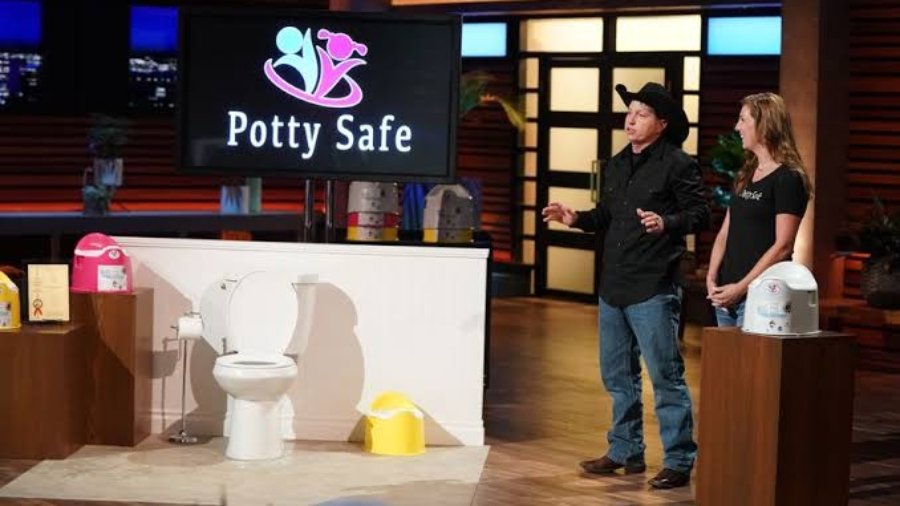
Potty Safe was created by Colt and Stacy Hall, a couple based in rural Missouri. The product itself is simple: a toddler training potty with a childproof latch that stops kids from removing the waste bowl and spilling the contents.

The idea came directly from Stacy’s experience with toilet training. Standard potties have a removable bowl — which means curious toddlers can (and do) pull it out and make a mess. The Halls designed a locking mechanism to prevent exactly that.

That one feature was the entire product story. There was no complicated technology, no subscription model, no app. Just a mechanical latch that competitors hadn’t built into their potties. It was a real problem with a straightforward fix, which turned out to be a strong foundation for a pitch.

The Shark Tank Pitch — Season 11, Episode 22

The Halls appeared on Season 11, Episode 22 of Shark Tank asking for $50,000 in exchange for 15% equity. Their pitch included a live demonstration — showing how easy it is for a toddler to pull out a standard potty bowl and spill the contents. It was a clear, visual way to sell the problem before selling the solution.

The Sharks had questions about market size, how defensible the product was against competitors, and whether the sales numbers justified the ask. One by one, they passed.

Then came the moment the episode is known for. Lori Greiner initially went out — and then called the founders back. She made a counter-offer: $50,000 for 20% equity, plus a royalty of $2 per unit until $250,000 was recouped, then $1 per unit in perpetuity.

That royalty structure is worth paying attention to. On a low-cost consumer product like a toddler potty, per-unit royalties cut into margins on every single unit sold — not just early on, but permanently. For a product with a retail price point in the $30–$50 range, a $1 ongoing royalty is a meaningful ongoing cost. It’s the kind of deal term that looks manageable on TV but can create real pressure at scale.

The founders accepted the on-air deal. But what happened next is the more instructive part of the story.

What Actually Happened After the Episode Aired

The Lori Greiner deal never closed. According to multiple sources that track Shark Tank outcomes, the agreement fell apart during post-show due diligence. This is not unusual — a significant share of on-air deals don’t survive the due diligence process. But it meant Potty Safe moved forward without Lori’s backing, resources, or retail relationships.

Despite that, the business did well in the short term. After the episode aired, Potty Safe reportedly saw a nearly 500% increase in sales. The company grew to over $1 million in annual sales and eventually reached approximately $5 million in lifetime revenue across its years in operation.

Distribution expanded to Walmart.com, Amazon, and Buy Buy Baby — a solid retail footprint for a single-product brand run by a family in rural Missouri.

One thing worth clarifying: $5 million in lifetime sales is revenue, not profit, and certainly not the founders’ personal net worth. Some Shark Tank recap coverage blurs this distinction, but revenue and take-home income are very different numbers — especially for a physical product business with manufacturing, shipping, and retail costs built in.

Why Potty Safe Appears to Be Out of Business

As of the most recent available reporting, Potty Safe appears to have shut down. The product is no longer listed on Amazon, Walmart, or Buy Buy Baby. The official website displays a security error. The Instagram account went inactive in late 2023, and the X (formerly Twitter) account stopped posting in 2021. SharkTankCompanies lists the brand as no longer operating.

No official statement from the founders has been widely reported. The business appears to have wound down quietly rather than through any public announcement.

What likely contributed — and these are contextual factors, not confirmed causes — comes down to a few common challenges for this type of product:

  • No finalized Shark backing. Lori’s network and retail expertise could have opened doors that a family-run operation in rural Missouri would struggle to open independently. Without that support, scaling beyond the initial TV bump becomes harder.
  • Limited repeat purchase potential. A toddler potty is a one-time buy. Parents purchase it, use it for a year or two, and move on. That means the business constantly needs new customers — there’s no base of repeat buyers to sustain revenue over time.
  • Single-SKU hardware brand challenges. Running a physical product business with one item is expensive relative to what you sell. Marketing costs, inventory, logistics, and retail fees all apply to that single product. Expanding the line or raising prices are the obvious solutions, but neither is simple.

Again, none of these have been confirmed as the specific reasons by the founders. But they’re consistent with the patterns that trip up many similar brands after the initial Shark Tank surge fades.

What Entrepreneurs Can Take Away From This

The Potty Safe story is genuinely useful as a case study — not because the business failed spectacularly, but because it followed a pattern that many product-based businesses follow.

The post-Shark Tank bump is real, but it doesn’t last

A 500% sales increase after an episode airs is meaningful. But that spike is driven by millions of viewers watching a single episode. Once the episode stops airing in rotation, the traffic slows. Businesses that use that window to build durable distribution, brand awareness, and a customer base tend to survive. Those that don’t often see sales return toward pre-show levels.

On-air deals are not signed deals

Potty Safe is a good reminder that what happens on camera and what gets finalized in a contract are two different things. Due diligence exists for a reason — investors look at financials, supply chain, IP, and a range of factors that don’t make it into a 10-minute TV pitch. Founders should always have a plan for both scenarios: the deal closes, and the deal doesn’t.

Read royalty structures carefully

Lori’s proposed deal included a per-unit royalty in perpetuity. For a high-margin, high-volume product, that structure might work. For a low-cost consumer hardware product with competitive retail pricing, it creates a permanent drag on unit economics. Before accepting any royalty arrangement, model it against your actual cost structure at different volume levels.

Single-product, single-stage businesses face a ceiling

Potty Safe solved one specific problem for one specific stage of a child’s development. That’s a strength in terms of clarity and focus — but it’s a limitation in terms of lifetime customer value. Building a brand around a narrow product category is possible, but it usually requires either expanding the product line or accepting that growth will plateau once the addressable market is saturated.

For more business breakdowns and startup case studies, Daily Business Zone covers the kind of real-world examples that go beyond the highlight reel.

Final Thoughts

Potty Safe did a lot right. The founders identified a real problem, built a product that solved it clearly, and delivered a compelling pitch. They hit $1 million in annual sales and $5 million in total revenue without the Shark deal they thought they were getting.

But the business appears to be gone now — no website, no retail listings, no social media activity. What’s left is a useful record of what the Shark Tank effect actually looks like in practice: a real boost, a real business, and a real set of challenges that the show’s edit doesn’t fully capture.

The Halls built something from scratch and took it to national retail. That’s worth acknowledging. What comes after the cameras turn off is just a harder problem than any pitch can prepare you for.

Read Also:

Daisy Cakes Shark Tank Update

Daisy Cakes Shark Tank Update: Sales, Struggles & Sale

Kim Nelson walked into Shark Tank in 2011 with her mother’s cake recipes and a $50,000 ask. More than a decade later, Daisy Cakes has crossed $11 million in cumulative sales — and the business recently changed hands, not to a private equity firm, but to a longtime employee who started working there as a teenager.

This article covers the original pitch, what Barbara Corcoran actually contributed, the costly mistakes that followed the show, how revenue grew over 13 years, and why Kim eventually decided to sell.

The Original Shark Tank Pitch

Kim Nelson appeared on Season 2, Episode 6 of Shark Tank in 2011. She asked for $50,000 in exchange for 25% equity in Daisy Cakes, a mail-order bakery based in South Carolina.

The product was straightforward: handmade cakes baked with family recipes, frozen, and shipped directly to customers nationwide. Kim leaned into the story behind the recipes — hand-sifted flour, farm-fresh eggs, and techniques passed down from her mother and grandmother.

Barbara Corcoran accepted the deal at the original terms. She later described Daisy Cakes as one of her favorite Shark Tank investments. The pitch worked because it was specific and honest — Kim wasn’t selling a vague food concept, she was selling a real family tradition in a box.

What Barbara Corcoran Actually Did for Daisy Cakes

A common misconception about Shark Tank deals is that the investor steps in and runs the company. That’s not how it worked here.

Corcoran’s role was strategic and promotional. She helped Kim with marketing guidance, PR access, and most importantly, QVC exposure. Getting onto QVC meant Daisy Cakes could reach a national shopping audience that the website alone couldn’t touch.

Think of it this way: the $50,000 was useful, but Corcoran’s real value was acting as an amplifier. Her network and credibility opened doors that money alone couldn’t buy. She did not manage day-to-day operations at any point — Kim ran the business herself.

For any entrepreneur weighing a deal with a high-profile investor, the Daisy Cakes example is worth studying. Sometimes the most valuable thing an investor brings isn’t the check — it’s the phone calls they can make.

The Post-Show Surge and a $165,000 Mistake

When the Shark Tank episode aired, orders flooded in. This is the “Shark Tank effect” — a massive, sudden spike in demand that most small businesses simply aren’t built to handle overnight.

To keep up, Kim outsourced baking to external facilities. It seemed like a practical solution. It wasn’t.

The outside facilities couldn’t maintain the quality and consistency that Daisy Cakes had built its reputation on. Customers noticed. The outsourcing experiment resulted in approximately $165,000 in losses, according to SharkTankBlog.

Kim eventually pulled production back under tighter control. The business recovered, but the episode is a clear lesson: television exposure can generate growth faster than a small operation can safely absorb. Outsourcing production without rigorous oversight is an expensive gamble, especially when your brand promise is built on quality and consistency.

The $165,000 loss didn’t kill Daisy Cakes, but it easily could have. Small food businesses running on thin margins don’t get many mistakes that size.

Revenue Growth Over 13 Years

Despite the early stumbles, Daisy Cakes grew steadily over time. By around 2013, the business was generating roughly $100,000 per month in sales — enough that Kim had to move into a larger bakery to keep up with demand.

A 2020 Shark Tank update segment showed lifetime sales of $8.5 million, with Corcoran still praising the investment. Town Carolina later reported cumulative sales exceeding $11 million. As of August 2024, SharkTankBlog reported annual revenue of approximately $4 million.

These numbers tell an important story. Daisy Cakes never became a national retail chain with shelf space in grocery stores across the country. It stayed focused as a direct-to-consumer mail-order brand with a loyal customer base and a clear identity.

That’s not a failure — it’s a deliberate business model that worked. Not every successful company needs to be a unicorn. A business doing $4 million a year in revenue, with a strong brand and no physical retail overhead, is a real win for a founder who started with family recipes and a $50,000 ask.

For more business profiles and practical coverage of founder stories, Daily Business Zone covers a wide range of real-world entrepreneurship topics.

Why Kim Nelson Sold Daisy Cakes

In 2022, Kim’s mother suffered a hip fracture and passed away. As an only child, Kim carried the weight of that loss alone. Around the same time, she became a grandmother.

These personal shifts changed how she thought about her time and energy. Running a bakery business — even a successful one — demands constant attention. Kim reached a point where she no longer felt the same passion for the day-to-day work that she once had.

She didn’t sell because the business was failing. She sold because her priorities had shifted, and she was honest enough with herself to act on that.

In 2024, Kim sold Daisy Cakes to Marshall Langley, a longtime employee who had started working at the bakery as a teenager. This is a textbook example of internal succession done right. Langley already knew the recipes, the customers, the operations, and the culture. There was no steep learning curve and no risk of a new owner dismantling what made the brand work.

Kim has expressed strong trust in Langley and confidence that he’ll preserve the brand’s identity. That trust matters. One of the biggest risks in any small business sale is handing something you built to someone who doesn’t understand what made it valuable in the first place.

Is Daisy Cakes Still Operating?

Yes. Daisy Cakes is still in business under Marshall Langley’s ownership. The website remains active, online orders continue, and the brand maintains its QVC presence. The company still leans into its Shark Tank roots and its identity as a premium, handmade cake business.

The product line has expanded over the years — beyond the original flavors like carrot, lemon, chocolate, coconut, and red velvet to include seasonal options. The core model hasn’t changed: cakes are baked, frozen, and shipped in insulated packaging so customers nationwide receive something that tastes genuinely homemade.

What Other Business Owners Can Take From This Story

Daisy Cakes is not a flashy startup story. There’s no venture capital, no explosive exit, no pivot to SaaS. It’s a founder who turned her family’s recipes into a real business, navigated the chaos of sudden TV fame, made some costly mistakes, recovered, and eventually handed the business to someone she trusted.

A few things stand out as genuinely useful lessons:

  • Rapid growth without infrastructure is dangerous. The $165,000 outsourcing loss happened because demand outpaced the business’s ability to control quality. Growth is only good if you can deliver on your promises.
  • Investors bring more than money. Corcoran’s media access and QVC relationships were worth more than the initial $50,000 check. When evaluating investors, look at what they can do beyond writing a check.
  • Staying focused on a niche can be a strength. Daisy Cakes didn’t chase retail distribution or franchise models. It stayed a direct-to-consumer mail-order business and built loyal, repeat customers within that lane.
  • Internal succession reduces transition risk. Selling to someone who already knows your business inside and out is often the cleanest path forward — for the seller, the buyer, and the customers.
  • Personal reasons for selling are valid. Kim didn’t sell because she failed. She sold because her life changed and she was honest about it. That’s a decision more founders should feel comfortable making.

Daisy Cakes crossed $11 million in sales starting from a $50,000 investment and a box of family recipes. It’s still running more than 13 years after its Shark Tank debut. By any reasonable measure, that’s a success — and a practical one worth paying attention to.

Read Also:

touch up cup shark tank

Touch Up Cup Shark Tank Update: The Deal and What Followed

Most people finish a paint job, seal the can back up, and shove it in the garage. A year later, they open it to find rust flakes, dried chunks, or paint that’s completely unusable. Jason and Carson Grill, a father and son from Cincinnati, Ohio, built a business around fixing exactly that problem.

Their product, the Touch Up Cup, went from a practical household idea to a nationally distributed brand after appearing on Shark Tank Season 12. Here’s a clear look at how the pitch went, what the deal looked like, and where the business stands now.

The Problem Behind the Product

Traditional metal paint cans rust. They’re hard to reseal properly, and the paint inside can form a thick skin or dry out between uses. For small touch-ups — a scuffed wall, a paint chip near the door frame — cracking open a gallon can feel like more work than it’s worth.

Jason and Carson’s solution is a 13 fl oz reusable container with a patented airtight seal. The design keeps paint smooth, rust-free, and odor-free between uses. The company claims paint stays fresh for up to 10 years — that’s a manufacturer claim based on the airtight design, not an independently verified figure over a full decade, so treat it accordingly.

The container also includes a built-in blending mechanism to remix paint before reuse, along with measurement markings on the side. The concept is simple: pour leftover paint in after a job, seal it, and have it ready for future touch-ups without buying a new batch or dealing with a spoiled can.

The Shark Tank Pitch — Season 12

Jason and Carson appeared on Season 12 of Shark Tank. Carson was a teenager at the time, which gave the pitch a strong youth-entrepreneur angle that clearly resonated in the room.

Their original ask was $150,000 for 10% equity. During the pitch, they demonstrated the difference between paint stored in a traditional can versus paint stored in a Touch Up Cup — a straightforward visual that made the problem and solution easy to see.

They also walked through the economics: a landed cost of around $0.90 per cup, wholesale pricing of roughly $1.89 for a single cup or $4.25 for a three-pack, and a retail price range of $3.99 to $4.99. Those margins are solid for a consumer product, and the Sharks clearly noticed.

After negotiation, Jason and Carson accepted a deal from Blake Mycoskie, the founder of TOMS Shoes. The final terms: $200,000 for 25% equity. That’s more money than they asked for, but also a larger equity stake. For a young brand still building distribution, landing a well-known investor with consumer product experience was likely worth the trade-off.

Sales Growth and Business Performance After the Show

The episode airing triggered the usual Shark Tank effect — a surge in website traffic and orders in the days that followed. That’s common for products featured on the show, but sustaining it requires more than TV exposure.

According to SharkTankBlog, as of mid-2021, Touch Up Cup was on track to top $2 million in revenue for the year. HouseDigest later reported $1 million in sales for 2021 and projected over $3 million in 2022, though that 2022 figure should be treated as a projection rather than confirmed annual revenue.

The company also received an update segment in Season 13, Episode 1317, which confirmed continued growth. That kind of follow-up feature on the show is typically reserved for businesses that have made real progress since their original appearance.

Blake Mycoskie’s investment helped the founders refine operations and pursue national retail distribution. His specific day-to-day involvement in the business isn’t well-documented, so it’s fair to say he brought capital and connections without overstating his ongoing role.

Where Touch Up Cup Products Are Sold Today

The brand has built out a solid mix of direct and retail distribution. You can buy Touch Up Cup products through several channels:

  • The brand’s own website — direct-to-consumer with full product catalog
  • Walmart — broad national retail reach
  • Lowe’s — a natural fit given the home improvement audience
  • Meijer and Theisen’s — regional retail presence
  • Amazon — listed as “As Seen On Shark Tank,” available in multiple configurations including 6-packs

Their social media presence stays active with painting tips, promotions, and customer testimonials, which suggests the marketing engine is still running. That kind of consistent content is often what keeps a Shark Tank product from fading after the initial buzz.

Retailer availability can change, so if you’re trying to find the product locally, it’s worth checking the brand’s website or calling ahead to confirm current shelf placement.

How the Product Line Expanded Beyond the Original Cup

Touch Up Cup started as a single product. It’s no longer that. The company has expanded into a broader range of painting and home products, including:

  • Touch Up Cup containers in various pack sizes
  • Paint tarps, brush sets, rollers, and roller covers
  • A roller cleaner product called the Roller Saver
  • Kitchen-focused storage containers and a grease storage bag

The kitchen and grease storage products are a bit outside the core paint niche, but the overall direction makes sense. Rather than staying a one-product company, they’re positioning Touch Up Cup as a DIY and home accessories brand — which gives them more shelf real estate, more SKUs to pitch to retailers, and more reasons for customers to come back.

This kind of line extension is a common growth move for consumer product companies after an initial product gains traction. It’s not guaranteed to work, but it reduces the risk of depending entirely on one item.

What Carson Grill Is Up to Now

Carson, who was the teenage co-founder during the Shark Tank pitch, is also involved with OCD Detailing, an automotive detailing business in Cincinnati. Whether Touch Up Cup remains his primary focus is unclear — HouseDigest notes that directly. It’s possible he’s running both ventures in parallel or has shifted more attention toward the detailing business.

That ambiguity doesn’t change the company’s standing. Touch Up Cup products are still available, the retail partnerships appear intact, and the brand continues to operate. But it’s worth noting for anyone following the founders’ individual paths.

Business Lessons Worth Taking from This Story

There are a few practical takeaways here for entrepreneurs watching this kind of trajectory.

A simple product idea can scale if the pain point is real

Touch Up Cup isn’t technically complicated. It’s a well-sealed plastic container with a smart design. The business was built on identifying a genuine everyday frustration and solving it cleanly. That’s often enough.

Margins matter when you pitch investors

A landed cost of $0.90 and a retail price of $3.99–$4.99 gives the product room to work across wholesale, retail, and direct-to-consumer channels. When Jason and Carson put those numbers on the table, it made the business model legible. Investors want to see that the math works at scale.

TV exposure is a starting point, not a finish line

The Shark Tank effect is real, but short-lived on its own. The brands that keep growing after the show are the ones that use the momentum to lock in retail partnerships, build operations, and expand the product line. Touch Up Cup did that.

The story is part of the business

A father-son team, a teenage co-founder, a relatable household problem — that narrative made the pitch memorable. It’s also what drove media coverage and consumer interest after the episode aired. For entrepreneurs, that’s a reminder that who you are and why you built it matters alongside the product itself.

For more business case studies and practical advice on entrepreneurship and growth, visit Daily Business Zone.

Final Thoughts

Touch Up Cup is a straightforward example of a Shark Tank success story that held up after the cameras stopped rolling. The founders identified a real problem, built a practical product, landed a credible investor, and used that foundation to get into major retail chains.

The revenue figures from 2021 and the projected growth into 2022 suggest the business gained real traction — not just a bump from TV. The expanded product line shows they’re thinking about long-term brand building, not just riding one product’s momentum.

Whether you’re a homeowner looking for a smarter way to store leftover paint, or an entrepreneur studying how consumer product companies grow after Shark Tank, the Touch Up Cup story is worth paying attention to.

Read Also:

Ready Festive

Ready Festive Shark Tank Update: Where the Brand Stands Now

Most Shark Tank deals look good on camera. Fewer actually close after the show. And fewer still turn into businesses that keep growing years later. ReadyFestive managed to do both—and its story offers some useful lessons for anyone building a subscription-based business.

This article covers who founded ReadyFestive, what they pitched, what deal they got, how the company performed before and after the show, and how the subscription actually works for customers.

Who Founded ReadyFestive and What Problem They Were Solving

ReadyFestive was founded by Kristina Barnes and Liz Voelker, two women who wanted to celebrate the holidays without the usual chaos that comes with it.

The problem they identified is real and relatable. Decorating for holidays means multiple store trips, mismatched items, second-guessing color schemes, and doing it all over again three months later for the next occasion. It’s time-consuming, and for busy households, it often just doesn’t happen.

Their solution was a subscription service that delivers curated, on-trend seasonal decor ahead of each holiday—matched to the customer’s home style. No hunting through stores. No starting from scratch every season.

The “two busy women” brand story isn’t an accident. It directly mirrors the customer they’re trying to reach: people who want their home to feel festive but don’t have hours to spend making it happen.

The Shark Tank Pitch—What They Asked For and What Happened

Kristina and Liz appeared on Season 14, Episode 9 of Shark Tank. They came in asking for $250,000 in exchange for 10% equity, which put their company valuation at $2.5 million.

Their pitch framed the problem clearly: holiday decorating is stressful, disorganized, and repetitive. ReadyFestive was positioned as the fix—personalized decor, delivered on time, ready to use.

Robert Herjavec made them an offer. Sources report the deal was structured around $250,000 for equity, though exact final terms varied slightly across different recap sources. What’s confirmed is that the deal did close after the episode aired.

Herjavec’s involvement went beyond writing a check. Post-show updates indicate he contributed capital and operational guidance—which matters more than the TV appearance for a company at that growth stage.

ReadyFestive’s Sales Before and After Shark Tank

The numbers ReadyFestive brought into the Tank were solid for a young company. By summer 2022—before the episode even aired—lifetime sales had reached approximately $1.5 million.

The year-over-year breakdown shows consistent growth:

  • 2020: $250,000 in revenue
  • 2021: $500,000 in revenue
  • 2022 (projected): $1.6 million

That’s roughly a doubling from 2020 to 2021, then a near-tripling from 2021 to projected 2022. That kind of trajectory before a Shark Tank deal is meaningful—it tells you the growth was already happening, not manufactured by the show.

After the episode aired, follow-up sources indicate the company continued to grow its subscriber base and expand its holiday lineup. The Shark Tank exposure helped with brand awareness, and Herjavec’s involvement supported operations. It’s worth being clear: specific post-2022 revenue figures aren’t publicly confirmed, so claiming exact numbers beyond this point wouldn’t be accurate.

What is clear is that ReadyFestive remains actively operating, with new seasonal boxes, an updated shipping calendar, and ongoing customer acquisition. That alone puts it ahead of many Shark Tank businesses that fade within a year of their episode.

How the ReadyFestive Subscription Actually Works

If you’re considering subscribing—or just want to understand the model—here’s how it works in practical terms.

Step 1: Choose Your Holidays

Customers pick which holidays or seasons they want decor for. Options include Summer, Fall, Halloween, Thanksgiving, Christmas, and others. You’re not locked into every occasion—just the ones you want.

Step 2: Pick a Box Size

There are three box tiers: Mini, Standard, and Deluxe. The size determines how many items you receive and the overall scale of the decor bundle.

Step 3: Select Your Decor Style

This is where the personalization comes in. Customers choose a style—such as Neutral or Farmhouse—so the curated pieces actually match their home’s existing look. This is what separates ReadyFestive from a generic decor box.

Step 4: Boxes Ship on a Seasonal Calendar

ReadyFestive publishes an annual calendar so subscribers know when each box ships. Boxes arrive ahead of each occasion, giving you time to actually use them before the holiday passes.

The minimum commitment is three boxes per year. That’s a deliberate choice—it creates recurring revenue for the business and keeps customers engaged across multiple seasons rather than making a one-off purchase and leaving.

Each box typically includes a mix of tabletop decor, textiles, wall accents, and small decorative pieces—all coordinated around a single seasonal theme. Everything in the box is meant to work together, which removes the “does this match?” headache entirely.

A Simple Example

Say a family subscribes for Fall, Halloween, and Christmas. They choose the Standard box and a Neutral decor style. Ahead of each season, a coordinated box shows up at their door—autumn table runner, seasonal accents, a few wall pieces—all ready to display in one afternoon. No extra shopping, no mismatched items, no decision fatigue.

Why the Business Model Makes Sense

ReadyFestive operates in a crowded subscription box market, but it’s carved out a specific niche: home decor tied to specific occasions. That’s different from general lifestyle boxes or home goods subscriptions.

The timing element is a key part of the value. Customers know when a box is coming, which mirrors the natural rhythm of the calendar. That predictability helps both sides—customers plan around it, and the business can manage production and logistics more efficiently.

The three-box minimum also matters from a business standpoint. Subscriptions with a minimum commitment create more predictable cash flow than one-time purchases. It’s the same logic used by meal kit services, beauty boxes, and software subscriptions. You stabilize revenue by locking in a baseline commitment.

For a small company growing through word of mouth and media exposure, that kind of revenue stability makes scaling much more manageable.

What the ReadyFestive Story Shows About Building a Niche Subscription Business

The ReadyFestive arc—from $250,000 in first-year revenue to a Shark Tank deal and continued growth—illustrates a few things worth noting for anyone building a similar business.

First, the niche matters. “Holiday decor subscription” is specific enough to attract a defined customer but broad enough to scale across multiple occasions and customer types. General subscription boxes face brutal competition. Niche ones can own a category.

Second, the founding story is doing real work. “Two busy moms who wanted to celebrate more without the stress” speaks directly to the customer. That’s not just branding—it’s a practical way to build trust with a target audience that sees themselves in the founders.

Third, media exposure is a tool, not a strategy. Shark Tank created a visibility boost, but ReadyFestive had real sales and a working model before they walked into the Tank. The businesses that crash after Shark Tank are usually the ones that needed the show to validate a concept that wasn’t already working.

For more business updates and case studies like this one, Daily Business Zone covers practical stories from entrepreneurs and founders navigating real market challenges.

Is ReadyFestive Still Active?

Yes. As of the latest available information, ReadyFestive is still operating. Their website shows an active box calendar with upcoming shipments, their Instagram continues to post seasonal box reveals, and the product lineup has expanded since the Shark Tank episode.

No credible sources report a shutdown, rebranding, or acquisition. The business appears to be in a stable growth phase, building on the subscriber base established before and after the show.

Final Thoughts

ReadyFestive is a straightforward business with a clear value proposition: take the stress out of seasonal decorating with a curated, personalized subscription. The Shark Tank deal with Robert Herjavec closed, the company’s sales were already growing before the episode, and the business is still running today.

For entrepreneurs, the useful takeaway isn’t just the Shark Tank story—it’s that a specific problem, solved with a repeatable subscription model, and backed by real pre-show traction, gives a business a much better chance of lasting past its fifteen minutes of TV exposure.

ReadyFestive did the work before the cameras showed up. That’s probably why it’s still around.

Read Also: