
Codi looked like a Shark Tank success story. An AI-powered storytelling robot for kids, a timely pitch about screen-free parenting, and a deal secured after every other Shark walked away. But what happened after the cameras stopped rolling tells a very different story.
This article covers what Codi actually is, what went down during and after the Shark Tank appearance, where Pillar Learning stands today, and what founders can take away from this case.
What Codi Is and the Problem It Was Built to Solve
Pillar Learning was founded in 2018 by William Mock, Dayu Yang, and Chris Oslebo. Their product, Codi, is a screen-free, AI-enabled robot designed for young children. It tells stories, plays songs, and delivers age-appropriate activities personalized to each child.
The core idea was simple: give kids something engaging that isn’t a tablet. Instead of staring at a screen, a child interacts with a physical toy that responds with audio-based content tailored to their age and interests.
Think of it like a podcast and music service built into a stuffed robot. The value isn’t just the hardware — it’s the ongoing content. That distinction matters a lot, and we’ll come back to it.
Codi sits in a growing category alongside screen-free audio toys like Tonies and Yoto. Its claimed differentiator was AI personalization, which theoretically made it smarter and more adaptive than its competitors. In 2021, Healthline Parents named Codi one of their best picks for toddlers, which gave the product early credibility in the parenting space.
The Season 12 Pitch and What Happened in the Tank
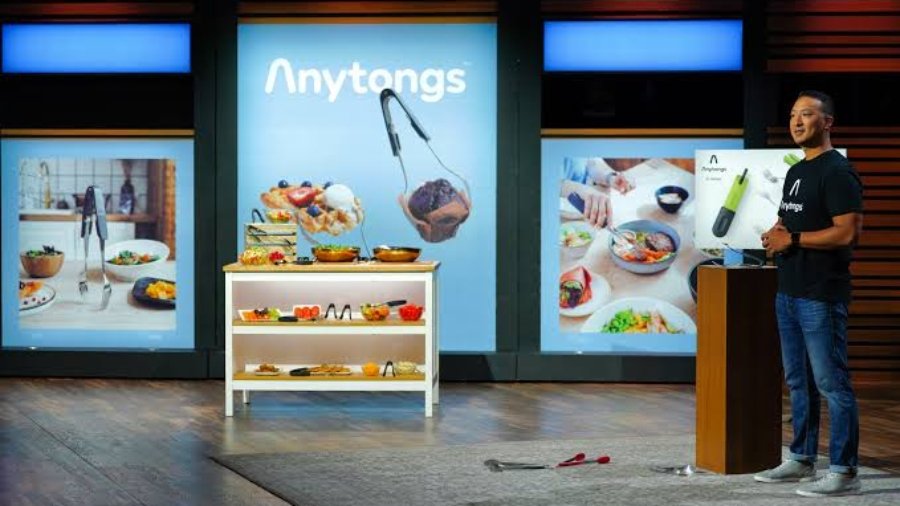
Codi appeared on Shark Tank Season 12, Episode 8, which aired on December 11, 2020. The timing was notable — COVID-era parents were spending more time at home and thinking harder about their kids’ screen habits. The founders’ pitch tapped directly into that anxiety.
The Sharks were not easily convinced. The main concern, visible in clips from the episode, was whether kids would actually stick with Codi over time. Sharks questioned long-term engagement — a fair challenge for any physical toy competing against tablets and streaming apps that constantly add new content.
Most of the Sharks passed. But the team managed to secure a deal from the one remaining Shark, putting them in a rare negotiating position. It looked like a win.
Here’s where the story gets complicated.
The Deal Did Not Close — Here Is What That Means
Despite what aired on television, the deal never actually closed. Multiple sources, including BGR and SharkTankBlog, confirm that the on-air agreement fell apart during post-show due diligence.
This is more common than most viewers realize. On-camera deals on Shark Tank are not signed contracts. They’re conditional agreements — a starting point for negotiation. After filming, investors conduct due diligence: they review financials, verify claims, assess the market, and sometimes renegotiate terms. A significant number of Shark Tank deals never make it through that process.
For Pillar Learning, that meant continuing without the expected capital injection. They had the brand exposure from the show, but not the funding or the Shark’s network and resources behind them.
The lesson here applies well beyond reality TV. Any investor commitment — whether on a TV set or in a conference room — should be treated as conditional until the money actually hits your account. Founders who put all their plans on hold waiting for a deal to close often find themselves in a difficult spot when it doesn’t. Keep your alternatives moving in parallel.
Where Pillar Learning Stands Now
The honest answer is: it’s unclear, and the available signals point in different directions.
What Suggests the Company Is Still Active
The Pillar Learning website is still live. One Shark Tank tracking site reported approximately $1.2 million in annual revenue and an estimated $2.5 million net worth as of late 2023. These are estimates from third-party trackers, not audited figures, so treat them as rough indicators rather than confirmed data.
The website also still references the Shark Tank appearance and allows visitors to sign up for updates, which suggests at least some level of maintenance.
What Raises Concerns
The Codi robot itself is listed as sold out on both the Pillar Learning website and Amazon, with no announced restock date. Some accessories and outfits still appear to be orderable, but the main product is unavailable.
Social media activity has effectively stopped. The Instagram account hasn’t been updated since around 2021. The X (formerly Twitter) account went quiet in 2019. The Facebook page appears to be gone entirely.
At least one customer has publicly reported ordering a Codi robot and not receiving it, with no response from support. The reviews section on the website has been described as empty, which makes it hard to gauge recent customer experience.
Reading the Signals Together
When you put all of this together, the picture is ambiguous. Pillar Learning hasn’t announced a shutdown or a pivot. But a company with an out-of-stock flagship product, no social media activity for two or more years, and no recent press coverage is not operating at full capacity — whatever the estimated revenue figures say.
For business readers, this pattern is worth recognizing. You can often gauge a startup’s health without access to internal financials. Check whether the product is actually available. Look at how recently the social accounts were updated. See if there’s any recent press. In Codi’s case, all three of those signals point toward a company that has stalled or is running at a very minimal level.
Why Hardware and Content Startups Face This Kind of Risk
Codi’s trajectory isn’t unique. Physical, connected products face a specific set of challenges that don’t apply to pure software businesses.
First, there’s inventory. Manufacturing physical goods requires capital upfront and reliable supply chains. Running out of stock without a clear restock plan effectively pauses your business and can damage customer trust.
Second, there’s the content burden. Codi’s value depended on fresh, personalized audio content. If the team can’t sustain content updates, the product becomes less useful over time — especially for kids who move through developmental stages quickly. The toy that worked at age three may not hold a four-year-old’s attention if nothing new has been added.
Third, there’s competition. Tablets and streaming services have effectively unlimited content budgets. A startup competing against that with a single hardware product needs a very tight niche or a very loyal customer base.
None of this means Codi was a bad idea. The screen-free positioning was smart, and the early recognition from parenting outlets showed real consumer interest. But translating that into a sustainable business required solving hard operational problems — and without the Shark Tank funding they expected, those problems became significantly harder to solve.
For more business case breakdowns and startup analysis, Daily Business Zone covers practical stories like this one regularly.
What Founders Can Take Away From Codi’s Experience
There are a few concrete lessons here that apply to any early-stage business, not just consumer hardware.
- Don’t treat conditional deals as closed deals. Keep funding conversations with other investors active until money is confirmed. A handshake — even on national television — is not a guarantee.
- Understand your content or service dependency. If your product requires ongoing updates to stay valuable, that ongoing work needs a sustainable funding model from day one.
- Inventory gaps are brand gaps. A product listed as sold out with no restock date doesn’t just cost you a sale — it signals to customers and press that something may be wrong.
- Social media silence is a signal. You don’t need to post every day, but complete inactivity for two or three years tells customers, investors, and journalists that nobody is home.
- Media exposure helps, but it doesn’t replace fundamentals. A Shark Tank appearance drives awareness. It does not solve unit economics, supply chain, or customer retention on its own.
The Bottom Line on Codi
As of the most recent available information, Pillar Learning is nominally still in business, but Codi robots are not available to buy. The company’s public activity has slowed significantly. Revenue estimates suggest some ongoing business, but those figures are unverified and the operational signals are mixed at best.
Whether Codi comes back with a new hardware version, a content pivot, or simply fades out remains to be seen. For now, it sits in that uncomfortable middle ground many startups occupy — not officially dead, but not clearly thriving either.
For parents hoping to buy one: check the official website for restock announcements, but don’t count on immediate availability. For founders watching from the sidelines: the Codi story is a clear reminder that a great product concept and a Shark Tank appearance are a starting point, not a finish line.
Read Also: