
Eyewris made Shark Tank history in Season 14 by getting all five Sharks to invest at once. But what most viewers never see is what happens after the cameras stop rolling. The on-air handshake is just the beginning — and in Eyewris’ case, the story after the pitch is worth paying attention to.
This article covers what Eyewris actually sells, who founded the company, what happened during the pitch, whether that historic five-Shark deal ever closed, and how the business is doing today.
What Eyewris Actually Sells and the Problem It Solves
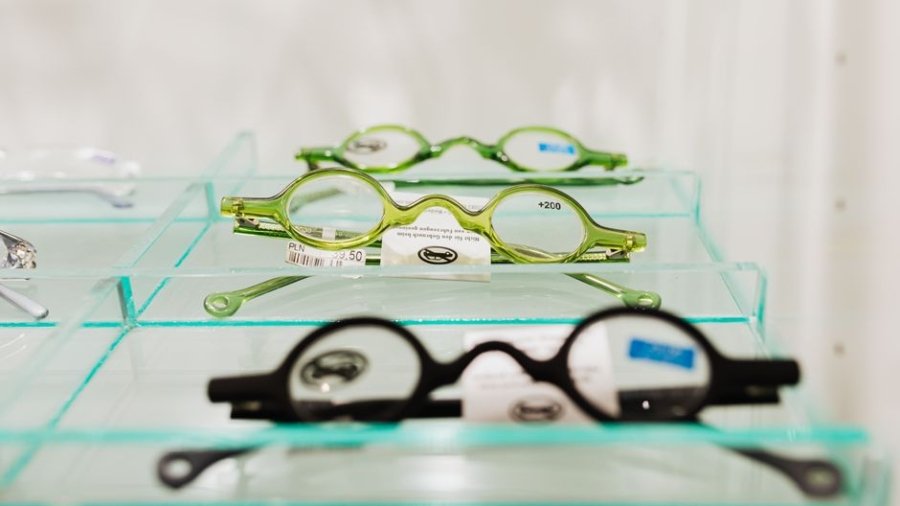
Eyewris makes foldable reading glasses that wrap around your wrist like a bracelet when you’re not using them. When you need to read something, you unfold them off your wrist and put them on in seconds.
The problem they’re solving is simple and genuinely annoying: people constantly misplace their reading glasses. You need them at the restaurant, at the pharmacy, at your desk — and they’re never where you left them. Eyewris keeps them on your body at all times.
The product includes features like scratch resistance, smudge resistance, and UV protection. It’s built to last, which matters because the price point is not cheap. Eyewris glasses run between $89 and $110, including shipping — compared to $10–$20 for a multipack at the pharmacy.
The pitch isn’t cost savings. It’s durability, convenience, and design. Think of it like choosing a Yeti cup over a generic gas station mug. Same basic function, very different in quality and experience.
The Founders Behind Eyewris
Eyewris was founded by Mark Singer and his son Kenzo Singer. Mark is the inventor and designer behind the product. His observation was straightforward: people lose their reading glasses constantly, and there had to be a better way to keep them accessible.
That problem-first thinking led to the wrist-worn design. The father-son dynamic was a natural part of their brand story and added to their appeal on Shark Tank. But the product concept itself — not the family angle — is what drove investor interest.
What Happened During the Shark Tank Pitch
Eyewris appeared on Season 14, Episode 22 — the season finale. Mark and Kenzo walked in asking for $25,000 in exchange for 5% equity, which put their implied valuation at $500,000.
The product demonstration was simple and effective. The glasses snap onto the wrist, then unfold into full reading glasses in a matter of seconds. Practical, fast, and visually compelling for television.
All five Sharks were interested. Their initial offer was $125,000 for 25% equity — that’s 5% each. The founders pushed back, and the two sides landed on an on-air agreement of $125,000 for 20% equity, or 4% per Shark. That implied valuation climbed to $625,000.
A five-Shark deal is exceptionally rare on the show. It generated significant attention and gave Eyewris immediate national credibility. The episode became one of the more talked-about pitches of the season.
That said, what viewers see on air is a handshake agreement — not a signed investment. That distinction matters, and it’s where things get more complicated.
Did the Five-Shark Deal Actually Close?
This is the question most people search for, and the honest answer is: probably not.
Shark Tank Blog, which tracks post-show deal outcomes closely, states explicitly that there is “no evidence of the deal with the 5 Sharks closing at this time.” Women.com drew a similar conclusion after reviewing Eyewris’ website and social media activity, suggesting the deal likely never reached a formal closing.
Legit.ng also reported that it remains unclear whether the on-air agreement was ever finalized. None of the three sources found any public confirmation — no press release, no Shark announcement, no founder disclosure — that the equity transaction was completed.
Eyewris’ own website and Instagram still prominently feature the “Five Shark Deal” as a marketing and credibility point. That’s smart business. But featuring it as social proof is different from confirming the investment closed.
This isn’t unusual. On-air agreements on Shark Tank are not binding contracts. After the cameras stop, both sides go through due diligence. Terms get renegotiated. Sometimes deals collapse entirely. It happens regularly across the show’s history, and it doesn’t mean the business failed — it just means what you saw on TV isn’t necessarily what happened in the boardroom.
For Eyewris, the more relevant question isn’t whether the deal closed. It’s whether the business kept moving forward anyway.
How the Business Performed After the Episode
By that measure, Eyewris did well. According to Shark Tank Blog, monthly revenue grew from roughly $28,000 to $77,000 after the episode aired — nearly three times the pre-show number. That’s a direct result of the national exposure the show provides, sometimes called the “Shark Tank effect.”
Even without confirmed investment, the episode acted like a free national advertisement backed by five credible investors. Website traffic spiked, brand awareness jumped, and sales followed.
Shark Tank Blog estimates the company’s valuation grew to around $1.6 million after the show, with a current net worth estimated above $1 million. Legit.ng cites similar numbers. These are secondary-source estimates — not audited financials or official disclosures — so treat them as directional rather than precise. But the trend is clear: the business grew meaningfully after the episode aired.
Where Eyewris Stands Today
Eyewris is still operating. The company sells directly through its official website, and there’s no indication of major retail distribution partnerships. It’s a focused direct-to-consumer business built around a single core product.
Pricing has shifted a bit since the episode. The original price was $110 including shipping. After Shark Tank, the company ran a “Shark Tank Special” promotion that dropped the price to $65 for a period, then settled at $89 for certain styles. Some products still show regular pricing at $110 alongside sale pricing at $89.
The product line has expanded in terms of colors and styles — there are men’s and women’s options in various colors, including deep green and tortoise & gold — but the core product hasn’t changed. No major rebranding, no new product categories. The company has stayed focused.
Customer reviews on the official site are largely positive. External feedback is more mixed. One Reddit user described the glasses as well-made and good quality, but noted they don’t sit comfortably on a smaller wrist. That’s worth knowing if you’re considering a purchase — this is essentially a one-size-fits-most product, and fit will vary.
What Entrepreneurs Can Take Away From This
Eyewris is a useful case study for founders and small business owners, for a few reasons.
First, the Shark Tank effect is real even when deals don’t close. The company nearly tripled its monthly revenue after the episode — without confirmed investment from any Shark. The exposure alone delivered results. That’s worth understanding if you’re thinking about applying to the show or any similar platform.
Second, on-air deals are not closed deals. This is a pattern across Shark Tank’s history. If you’re pitching investors — on TV or otherwise — an expression of interest and a signed term sheet are two very different things. Keep moving your business forward while due diligence runs its course.
Third, staying focused pays off. Eyewris didn’t chase a dozen new products after getting national attention. They expanded colors, adjusted pricing, and kept selling the same product that got them on the show. That discipline is underrated.
For more business stories and practical coverage of companies navigating growth, deals, and strategy, visit Daily Business Zone.
The Bottom Line
Eyewris entered Shark Tank asking for $25,000 and walked out with an on-air agreement from all five Sharks for $125,000. Whether that investment ever formally closed is, by most accounts, doubtful — but the business kept growing regardless.
Monthly revenue nearly tripled. The brand built real credibility from the exposure. The company is still selling its wrist-worn reading glasses directly to consumers, with a consistent product and a clear value proposition.
The five-Shark deal made for great television. The business performance after the fact made it a genuine success story — even if it played out differently than what viewers expected.
Read Also: